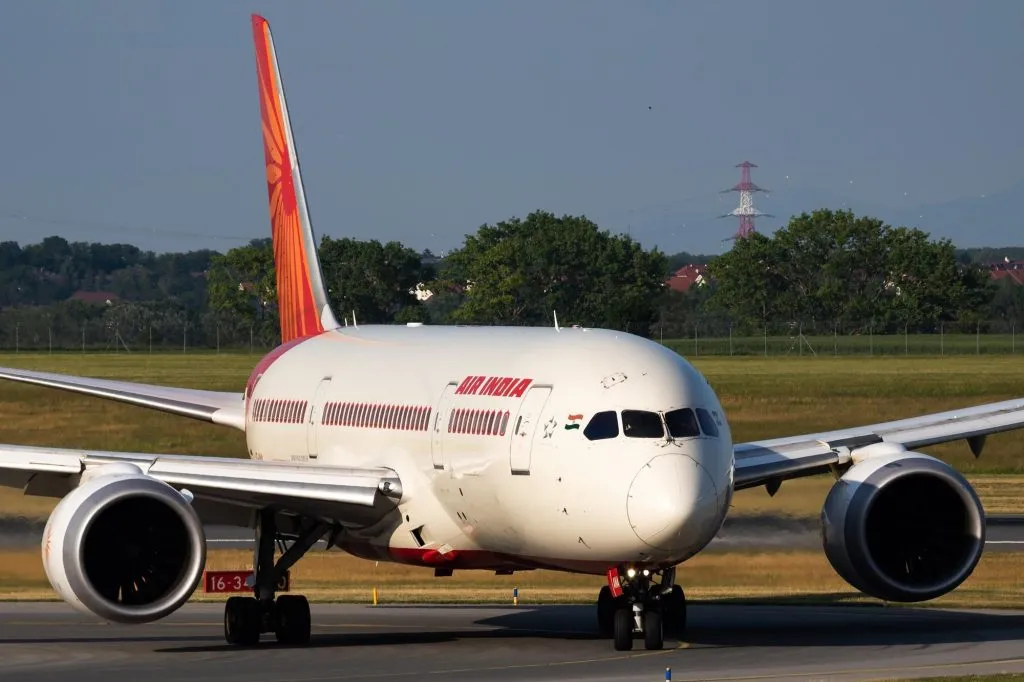
Air India, India’s former national carrier, has been under the audit lens for over two decades. Since its 2007 merger with Indian Airlines, the company has faced critical scrutiny from constitutional and regulatory bodies, including the Comptroller and Auditor General of India (CAG), Ministry of Civil Aviation (MoCA), and the Directorate General of Civil Aviation (DGCA). These audits reveal a complex matrix of financial imprudence, safety compliance gaps, and administrative inefficiencies that contributed to the airline’s operational instability—culminating in its 2022 privatization.
Here is a summary of findings:
1. Financial Oversight and Audit Findings (2005–2020)
The most seminal financial audit came via CAG’s 2011 Performance Audit Report on Civil Aviation in India, which covered the controversial acquisition of 111 aircraft and the merger with Indian Airlines.
Aircraft Acquisition Plan (2005–2006)
According to the CAG report (No. 18 of 2011–12), Air India placed an order for 68 aircraft from Boeing worth over ₹43,000 crore, while Indian Airlines ordered 43 aircraft from Airbus for approximately ₹8,400 crore. The audit noted that these decisions were made without proper financial due diligence, leading to a six-fold increase in fleet size despite Air India’s limited cash flow.
“The fleet acquisition was not justified by traffic forecasts or financial projections. The financial burden significantly impaired Air India’s ability to operate sustainably,” the CAG stated (2011, p. 21).
CAG highlighted that the net worth of the airline was negative at the time of approval, and the debt servicing capacity was ignored. The acquisition was largely debt-financed, contributing to a debt-to-equity ratio of over 20:1 by 2011.
Post-Merger Losses
The 2007 merger between Air India and Indian Airlines was another critical focus area. While the MoCA projected synergy benefits of ₹1,000 crore annually, the CAG audit found that integration challenges, incompatible IT systems, and unaligned HR policies led to compounded losses of ₹20,000 crore by 2014.
Internal audits revealed that merged route networks lacked proper rationalization. The report noted:
“Significant overlapping of routes and services continued post-merger, leading to underutilized aircraft and poor load factors.” (CAG Report, 2011, p. 37)
A 2018 follow-up audit by the MoCA indicated that while some progress was made in harmonizing HR functions, no unified enterprise resource planning (ERP) solution had been implemented across the airline, causing continued inefficiencies.
2. Safety Audits and DGCA Compliance Reviews (2015–2023)
Air India’s regulatory safety record has also been examined under DGCA surveillance, particularly in the aftermath of several technical snags and incident reports.
Flight Safety Compliance
A 2022 safety audit conducted by DGCA following a series of inflight incidents revealed that Air India’s maintenance documentation was incomplete in nearly 12% of randomly sampled aircraft. Further, audits flagged deviations in Flight Duty Time Limitations (FDTL), with some pilots reportedly exceeding regulatory duty hours without appropriate rest periods.
“Operational control systems require significant upgrading. Recency records and simulator training data for some crew were missing or outdated,” stated the DGCA’s Preliminary Safety Assessment (2022).
DGCA issued three show-cause notices to Air India between July 2022 and March 2023, citing:
Improper cabin crew rostering
Incomplete aircraft logbooks
Missed maintenance cycles for auxiliary power units (APUs)
In response, Air India submitted a Corrective Action Plan (CAP) to the DGCA in April 2023, pledging to implement an integrated Maintenance, Repair and Overhaul (MRO) tracking system and centralize crew scheduling.
3. Operational and Human Resources Audits
Crew Utilization and HR Policy Flaws
The MoCA’s 2019 audit of Air India’s Human Resources division found that crew utilization was 30–35% below international standards, with overlapping duties and non-standardized training schedules.
Key findings included:
Pilots with expired simulator training logged for international routes
Cabin crew exceeding DGCA age limits without medical waivers
Non-transparent promotions and recruitment outside Public Enterprises Selection Board (PESB) norms
A MoCA official, speaking to The Indian Express (2020), noted:
“Despite being in the public sector, Air India functioned in an opaque HR environment that didn’t align with either government rules or global airline practices.”
This systemic inefficiency led to low morale, frequent attrition, and unproductive staff-to-aircraft ratios, reportedly reaching 160:1, compared to the global benchmark of 80–100:1.
4. Ground Handling and Outsourcing Audits
The Public Accounts Committee (PAC) reviewed Air India’s third-party service contracts and ground operations in 2017. The audit revealed that contracts with AI-SATS (joint venture with SATS Ltd., Singapore) were renewed without competitive bidding, violating CVC guidelines.
Findings included:
Duplication of in-house and outsourced roles
Unutilized ground handling equipment worth ₹200 crore
Absence of penalty clauses in underperforming contracts
PAC recommended full migration to performance-based contracts with quarterly reviews, but follow-up reviews in 2020 showed continued vendor underperformance in smaller domestic stations.
5. Transition Audits Post-Privatization (2022–2024)
After Tata Sons acquired Air India in January 2022, a transition audit was conducted jointly by MoCA and DGCA in late 2023. Though the audit acknowledged early improvements in digital transformation and brand integration, legacy issues continued.
Findings included:
Legacy contracts still binding AI’s engineering division
Disparate software for operations, finance, and HR functions
Incomplete integration of Air India Express and AirAsia India training SOPs
The DGCA in its 2024 compliance note stated:
“The current management has demonstrated intent to align with ICAO and EASA standards. However, legacy frameworks—particularly in maintenance planning and flight scheduling—require urgent modernization.”