Airline crews are fighting a new kind of turbulence—angry passengers. Across the globe, reports of “air rage” are climbing again, threatening safety, disrupting schedules, and costing airlines millions. The latest figures show incidents rising in 2024, despite years of crackdowns and public-awareness campaigns.
The International Air Transport Association (IATA), which represents airlines worldwide, says the rate of unruly passenger behaviour grew last year. In 2024, one incident was reported for every 395 flights, up from one in 405 flights the year before. That may sound like a small difference, but it translates to tens of thousands of cases across global operations.
That’s 255 incidents a day or 92,405 a year!
In Australia the Australian Federal Police arrested 1,200 air travellers last year.
The numbers of air rage are even starker in some regions. The U.S. Federal Aviation Administration (FAA) recorded 2,075 cases in 2024, nearly double pre-pandemic levels. And while Europe doesn’t publish the same granular statistics, regulators there warn that a flight within the EU is disrupted every three hours, often involving aggression, intoxication, or outright violence.
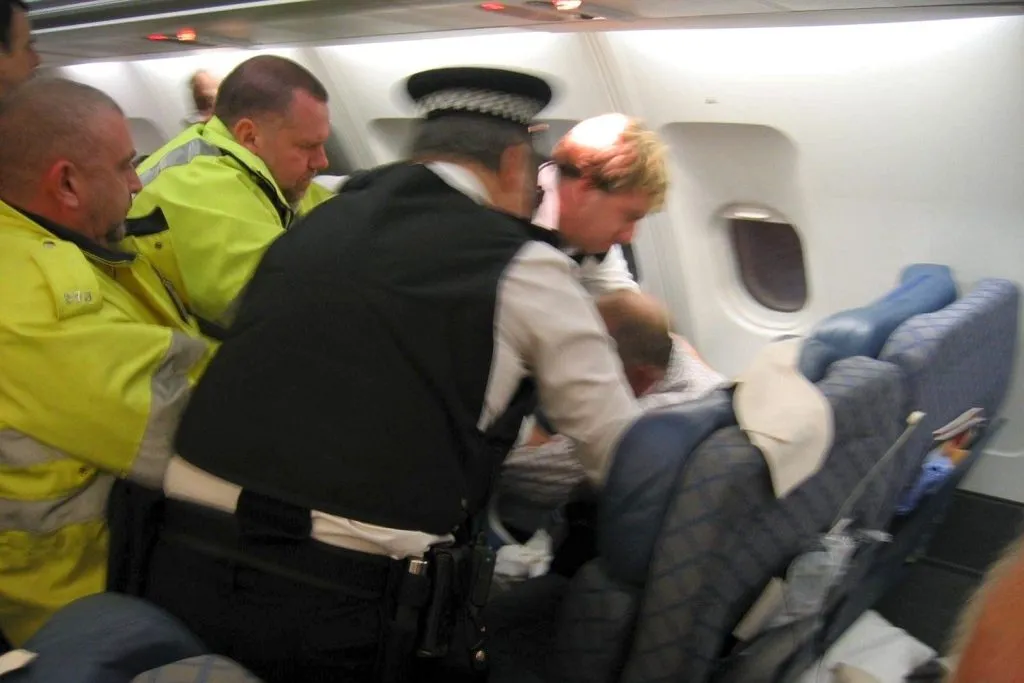
“It’s not just a bad passenger being loud anymore,” one European airline executive said. “We’re seeing more cases where crew have to restrain individuals, and in some cases flights are diverting. That is a safety issue.”
During the height of the COVID-19 pandemic, U.S. flight attendants bore the brunt of public anger over mask mandates. In 2021, nearly 6,000 incidents were logged, four out of five tied to mask disputes.
Those numbers have since dropped, but they haven’t returned to pre-pandemic norms. Alcohol misuse, stress, and general defiance of crew instructions have taken the place of mask-related fights. “Non-compliance is still the number one issue,” IATA said in a statement, “but we’re seeing more cases escalate into verbal or physical abuse.”
Australia’s Civil Aviation Safety Authority (CASA) has echoed those concerns, reminding airlines that they can—and should—refuse boarding to passengers who show signs of intoxication or abusive behaviour at the gate.
At the heart of many incidents is alcohol. But the causes go beyond booze. Packed cabins, delayed flights, and the frictions of modern travel all add to the mix. “It’s a pressure-cooker environment,” one Australian cabin crew member told reporters. “When you have long delays and passengers already stressed, it doesn’t take much for someone to snap.”
The consequences of air rage can be serious. If a flight diverts because of a violent or threatening passenger, the bill can be astronomical. EUROCONTROL estimates diversions cost airlines €15,000 on short-haul routes and up to €82,000 on long-haul flights, with worst-case scenarios exceeding €300,000.
And that doesn’t include the ripple effect: disrupted connections, displaced crews, and hundreds of inconvenienced passengers. In some jurisdictions, airlines have sought to recover these costs directly from offenders, but legal obstacles often make enforcement difficult.
In the United States, the FAA has made its “zero-tolerance” policy permanent. Civil fines can reach US$37,000 per violation, with multiple violations possible per incident. The most severe cases are referred to the FBI for criminal review. Repeat offenders can also lose TSA PreCheck privileges, adding a tangible deterrent.
Europe has leaned heavily on public-awareness campaigns. The #NotOnMyFlight and “One Too Many” initiatives plaster airports with warnings that abusive passengers face arrest, fines, and bans. The campaigns emphasize not just legal consequences but also the risk of being saddled with the airline’s bill for a costly diversion.
At the global level, the Montreal Protocol 2014 is slowly being ratified. The treaty closes a long-standing loophole in the Tokyo Convention of 1963, which left many incidents unprosecuted because only the country of an aircraft’s registration had jurisdiction. MP14 expands that power to the state of landing, ensuring more offenders face consequences.
Industry groups, including IATA, are urging all governments to adopt the treaty. “Without consistent enforcement across borders, deterrence doesn’t work,” one IATA official warned.
Behind the statistics are the crew members who must manage these crises at altitude. A recent survey of flight attendants found that more than 85% had dealt with an unruly passenger in the past year, and many reported feeling unsafe at work.
“It’s emotionally draining,” said one U.S.-based flight attendant with more than 20 years of service. “We’re trained to handle emergencies, but dealing with violent or abusive passengers adds a whole new layer of stress. We’re not just serving drinks—we’re peacekeepers at 35,000 feet.”
Some crew unions are now lobbying for stricter penalties, including lifetime flight bans for repeat offenders, and stronger legal support when crew members testify in prosecutions.
As IATA’s director general recently summed up: “Every time an unruly passenger disrupts a flight, it threatens safety, undermines confidence, and costs everyone. Keeping order in the cabin isn’t just an airline responsibility—it’s a societal one.”
For now, airlines and regulators are bracing for more bumps ahead. The skies may be safer than ever from an engineering standpoint, but inside the cabin, human behaviour remains an unpredictable threat.
And as passenger numbers continue to rise post-pandemic, the industry fears that unless air rage is brought under control, diversions, delays, and safety risks will become a more regular part of flying life.
flight at risk. That’s what keeps us up at night.”