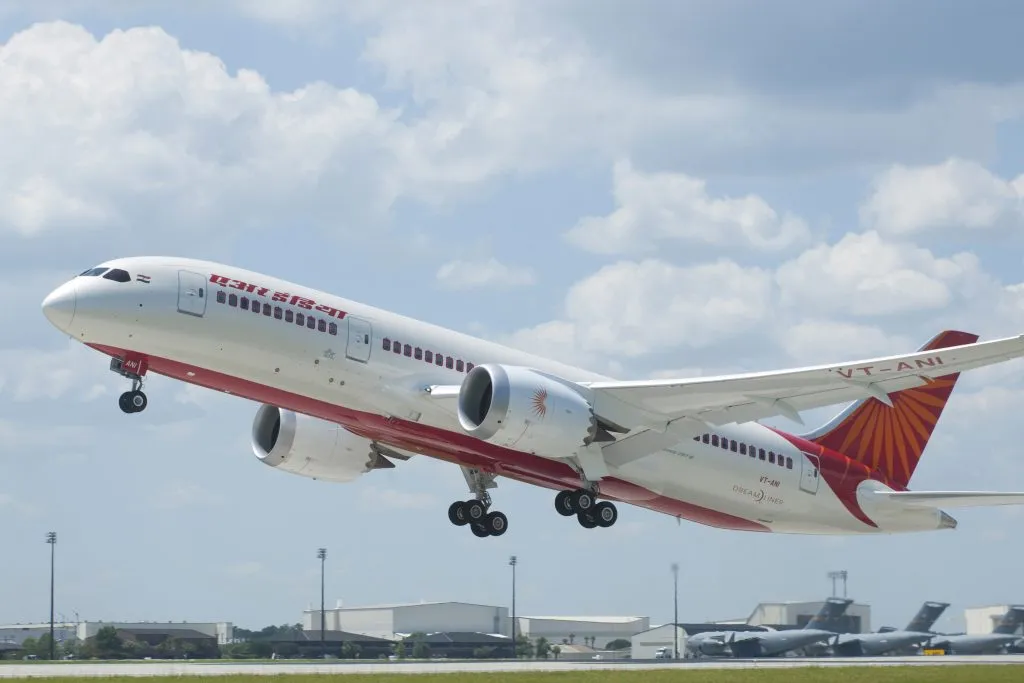
The International Air Transport Association (IATA) is set to convene its 81st Annual General Meeting (AGM) and the World Air Transport Summit (WATS) in New Delhi, marking a pivotal moment for the global aviation industry. Hosted by India’s largest airline, IndiGo, this event returns to India for the first time since 1983—reflecting the country’s ascent as a global aviation hub.
More than 1,700 aviation stakeholders—including airline CEOs, regulators, policy makers, and global media—are expected to participate. A keynote address from India’s Prime Minister, Shri Narendra Modi, will underscore the country’s strategic importance in shaping the future of global air transport.
A Strategic Milestone for Indian Aviation
“Bringing the IATA AGM back to India after 42 years highlights the country’s transformative growth in aviation,” said Willie Walsh, IATA Director General. “India now ranks among the world’s fastest-growing aviation markets, driven by large-scale aircraft acquisitions, a surge in passenger demand, and robust investments in airport infrastructure.”
The Indian aviation sector currently supports 369,700 direct jobs and contributes $5.6 billion to the national GDP. When factoring in indirect, induced, and tourism-related impacts, the industry supports 7.7 million jobs and contributes $53.6 billion—1.5% of India’s total GDP.
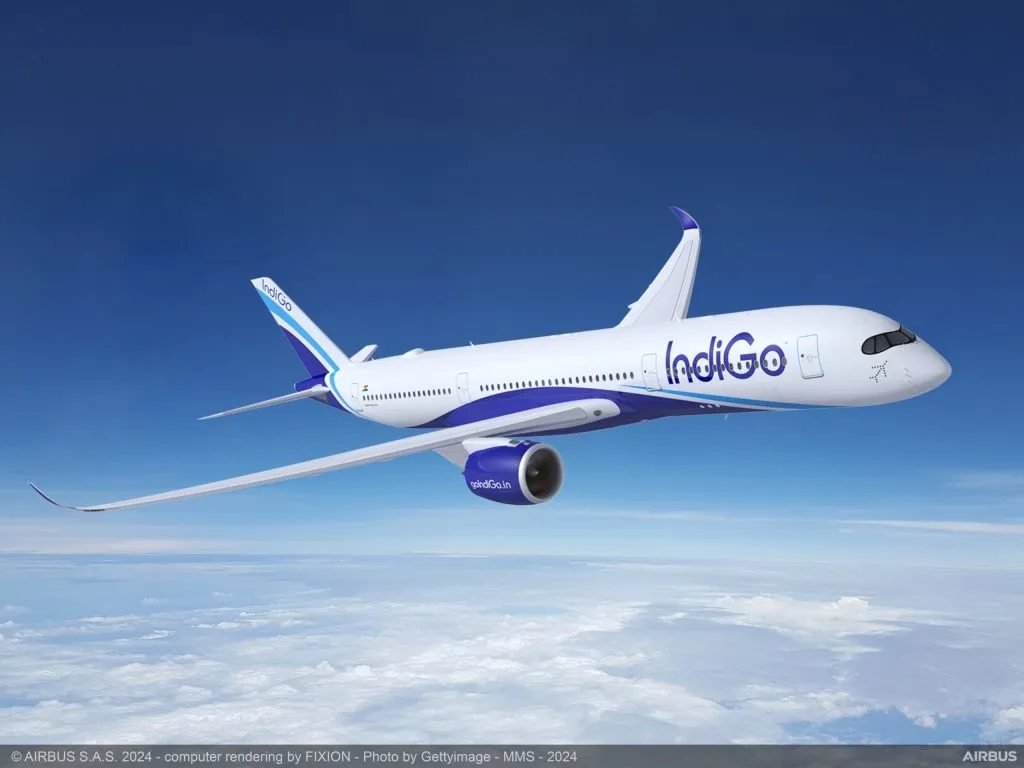
IndiGo Takes the Global Stage at IATA
As the host airline, IndiGo is leveraging this global platform to showcase India’s aviation renaissance. “It’s a proud moment for IndiGo and for India,” said Pieter Elbers, CEO of IndiGo and Chair of the IATA Board of Governors. “This is not just a meeting—it’s a global statement. India is on an extraordinary trajectory, and aviation is at the heart of its economic and social transformation. We look forward to sharing India’s momentum with the world.”
IATA Industry Agenda: Innovation, Resilience, and Sustainability
Following the AGM, the World Air Transport Summit will address the sector’s most pressing challenges and opportunities, including decarbonization strategies, air traffic modernization, resilience in geopolitically volatile regions, and technological innovation.
“The AGM and WATS serve as critical inflection points for the industry,” Walsh added. “They enable us to align on strategies that will define aviation’s role in the global economy over the coming decade.”