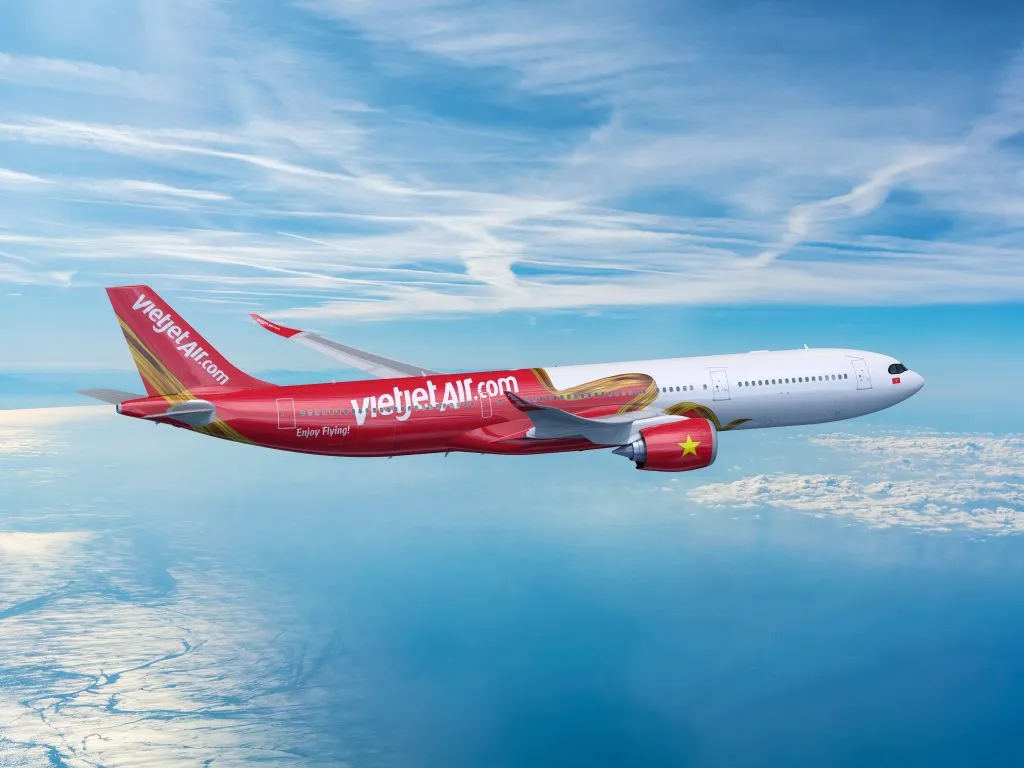
Vietjet, Vietnam’s largest privately-owned airline, has solidified its long-term growth strategy with a landmark order for 20 Airbus A330-900 widebody aircraft. This acquisition marks a pivotal move in the carrier’s fleet development, aimed at expanding its operational footprint across high-capacity regional and long-haul routes over the next decade.
SEE Vietjet Safety, Environment and Product Rankings
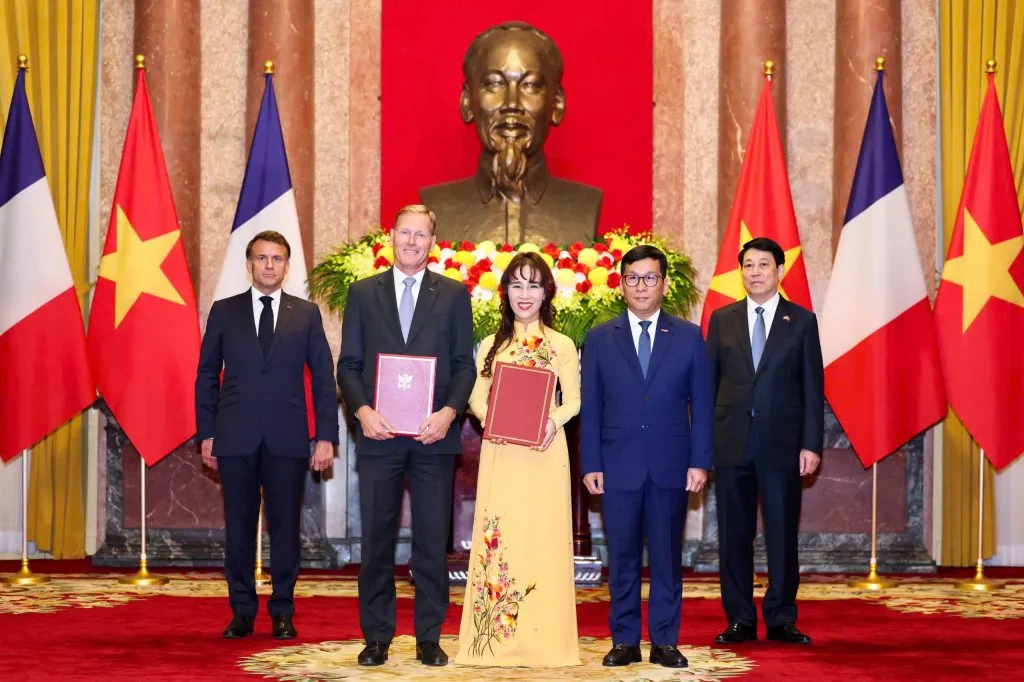
Signed in Hanoi during an official state visit by French President Emmanuel Macron, the agreement was formalized by Vietjet Chairwoman Nguyen Thi Phuong Thao and Wouter van Wersch, President of Airbus International. The order underscores not only a strengthening of bilateral economic ties between Vietnam and France but also Vietjet’s intent to position itself as a serious competitor in the long-haul low-cost market segment.
Vietjet Chairwoman Nguyen Thi Phuong Thao said: “These modern Airbus aircraft, with the latest levels of efficiency and lower fuel consumption, have accompanied Vietjet’s growth and will continue to support Vietjet’s global flight network expansion. Our long-term investment in a modern, environmentally responsible fleet reflects our commitment to strengthening economic and technological ties between Vietnam and France. Vietjet remains dedicated to delivering greater connectivity and sustainable air travel for millions of passengers in Vietnam and around the world.
Wouter van Wersch, President Airbus International said: “Vietjet has established itself as one of the fastest-growing airlines in the world, bringing low fares with warm Vietnamese hospitality. We are proud that the carrier has selected the A330neo as its widebody aircraft of choice to build on its success, and we look forward to continuing our partnership as Vietjet expands its reach.”
Technical Foundation of Expansion for Vietjet
The A330-900neo, part of Airbus’ re-engined and modernized A330 family, provides the operational range, efficiency, and cabin flexibility required to meet Vietjet’s evolving network demands. Powered by Rolls-Royce Trent 7000 engines, the A330-900 offers a range of up to 13,300 km (7,200 nautical miles), enabling nonstop service to destinations across Europe, Oceania, and the Middle East from Southeast Asia.
The aircraft is designed with fuel efficiency and environmental performance at its core. Incorporating advanced aerodynamics, composite materials, and new-generation engines, the A330neo achieves at least a 25% reduction in fuel burn per seat compared to previous-generation aircraft. This aligns closely with Vietjet’s strategy to lower unit costs while reducing carbon emissions in accordance with global aviation sustainability targets.

Vietjet Enhanced Cabin Experience
The A330-900 will be configured with Airbus’ award-winning Airspace cabin, designed to optimize passenger experience through features such as customizable LED lighting, increased overhead storage, and reduced cabin noise levels. The configuration is expected to include a mix of economy and business class seating, a shift that reflects Vietjet’s ambition to serve both leisure and premium markets on longer routes.
The airline currently operates a fleet of 122 Airbus aircraft, including seven A330-300s, primarily deployed on high-demand regional routes such as Australia, India, and Kazakhstan. The introduction of the A330-900 will not only increase route flexibility but also allow for increased seat capacity, improved fuel efficiency, and better alignment with international cabin standards.
Vietjet Strategic Fleet Alignment
With this new order, Vietjet has doubled its commitment to the A330neo program, bringing its total firm orders for the type to 40 units. The carrier also maintains an outstanding order for 96 A320neo Family aircraft, underscoring a deliberate and cohesive single-manufacturer fleet strategy focused on operational consistency and cost efficiency.
This streamlined fleet architecture allows Vietjet to maximize maintenance interoperability, pilot training uniformity, and spare parts inventory consolidation, all of which contribute to reduced overhead and greater agility in fleet deployment.
Long-Term Vision and Sustainability Goals
The A330neo is capable of flying with up to 50% Sustainable Aviation Fuel (SAF) and is designed to be compatible with 100% SAF by 2030, aligning with Vietjet’s environmental stewardship goals. This order also places the airline in a stronger position to meet emerging regulatory and consumer expectations regarding carbon reduction in air travel.
“With this next-generation aircraft, we are not just scaling operations—we’re shaping the future of our airline around efficiency, sustainability, and long-range capability,” said Vietjet Chairwoman Nguyen Thi Phuong Thao. “The A330-900 is integral to our vision of connecting Vietnam to the world with low-cost, high-comfort service.”
About 42kft
At 42 Thousand Feet (42kft.com), we bring you factual, insightful airline news—cutting through the noise to deliver what truly matters to airline passengers, aviation enthusiasts and industry professionals.
Why the name? 42,000 feet marks the uppermost cruising altitude of today’s commercial aircraft, and just like those soaring jets, we aim to elevate your understanding of the aviation world. Our goal is simple: to help readers and subscribers stay ahead of the curve, making sense of both the present and the future of this ever-evolving industry.
With over 50 years of passion for aviation, our commitment has always been to get the facts right and present them in a way that’s both accurate and easy to grasp. After all, aviation is one of the most complex industries—often defying common logic. For example, strength in aviation isn’t about rigidity but flexibility, just like the remarkable bend of a wing in flight.